
A hard collision during a football game or an unexpected fall on the ice can cause more than a temporary headache. Concussions are traumatic brain injuries that can affect memory, balance, concentration, and emotional health. Although many athletes recover within several weeks, others experience symptoms that interfere with daily activities.
How Concussions Affect the Brain
A concussion occurs when a sudden impact or forceful movement causes the brain to move rapidly inside the skull. This movement can disrupt normal brain function, even without visible injury.
Contrary to popular belief, losing consciousness is not necessary for a concussion to occur. Many athletes remain awake and continue participating without immediately recognizing their symptoms.
Headaches, dizziness, nausea, confusion, blurred vision, and sensitivity to light are common warning signs. Some people also experience irritability, fatigue, memory difficulties, or changes in sleep.
Sports With Higher Concussion Risks
Sports involving physical contact, high speeds, and frequent falls create opportunities for head injuries. Football players may experience concussions during tackles, while soccer players can be injured during collisions or falls. Basketball and gymnastics also present risks, despite involving less routine contact.
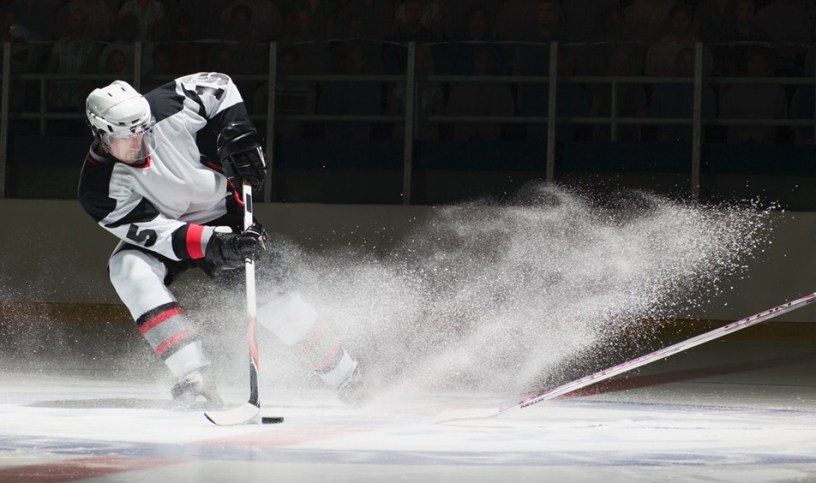
Hockey combines speed, physical contact, and hard playing surfaces. Players wear helmets, shoulder pads, and hockey pants to protect different areas of the body, but protective equipment cannot eliminate concussion risks. Even a properly fitted helmet cannot prevent every concussion because the brain can still move inside the skull during an impact.
Recognizing When Emergency Care Is Necessary
Any athlete suspected of having a concussion should immediately stop participating and receive an appropriate medical evaluation. Continuing to play increases the possibility of another impact before recovery begins. An athlete with a suspected concussion should never return to competition that same day.
Certain symptoms require emergency medical attention. These include repeated vomiting, seizures, worsening headaches, increasing confusion, weakness, slurred speech, or difficulty waking.
Such warning signs may indicate a more serious brain injury. Coaches and teammates should never assume that an athlete is safe simply because the person can stand, speak, or walk normally.
What Recovery Actually Involves
Concussion recovery has changed considerably from older recommendations emphasizing complete rest. Current guidance generally supports relative rest for the first 24 to 48 hours, followed by a gradual return to appropriate activities.
Light walking and other gentle movement may be beneficial when they do not significantly worsen symptoms. Extended bed rest and prolonged avoidance of normal activities are generally discouraged.
Healthcare professionals may recommend temporary adjustments to schoolwork, screen time, physical activity, or employment responsibilities. Persistent headaches, dizziness, or concentration problems may require specialized treatment.
Returning to Competition Takes Time
Feeling better does not automatically mean an athlete is ready for competitive sports. A supervised return-to-sport progression typically begins with light aerobic exercise before advancing to more demanding activities. Later stages may include sport-specific movements, controlled practice, and full participation.
Healthcare professionals should monitor symptoms throughout recovery and determine when returning to contact activities is appropriate. Athletes should receive medical clearance before resuming activities that carry a risk of another head injury.
Prevention Starts With Team Culture
Concussion safety depends on more than protective equipment. Coaches should teach appropriate playing techniques, enforce rules against dangerous contact, and encourage athletes to report symptoms.
Parents can reinforce these expectations and watch for behavioral changes after games or practices. Schools and athletic organizations should establish clear procedures for removing injured players and arranging medical evaluations.
Sports concussions can affect physical health, cognitive performance, and emotional well-being long after the initial impact. Although many athletes recover successfully, ignoring symptoms or returning too quickly can create unnecessary risks. Look over the infographic below to learn more.


