
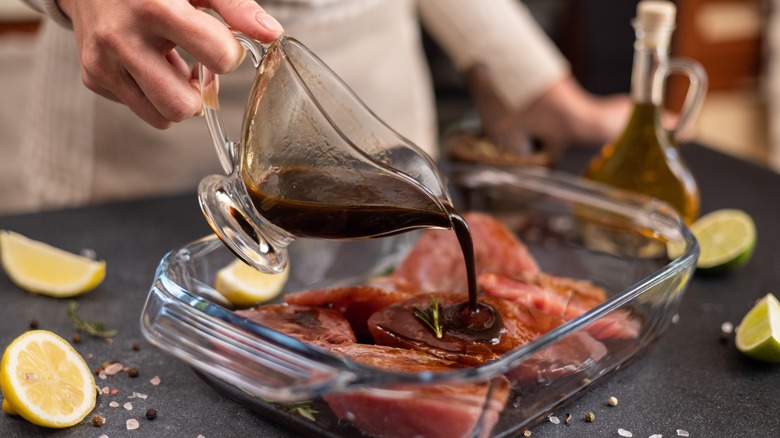
Most people treat healthy eating like punishment. That’s basic food preparation. True impact comes from smart, subtle food preparation moves that operate quietly behind the scenes while you infuse curated tastes and nutrients. One of the most applicable foodie techniques? Marinating. Infused intentionally, it flavors distinctly while following your intentional curations, all without dulling taste or slowing you down.
1. Flavor Swaps for Leaner, Lower-Sodium Eating
Here’s the brutal truth: healthy doesn’t mean bland. Marinating is a tool that leverages minimal effort- time spent soaking the food, to maximize maximizes results; enhanced flavor and nutrition). It gives busy people an advantage in meeting their health goals without spending extra time cooking. For less active individuals, marinated foods help cut fat, slash sodium, and pack flavor all at once. Forget drowning your meals in sauces; complexity starts at the source.
Tactical flavor swaps:
- Acids (lime, vinegar, pomegranate) punch taste without calories.
- Leveraging natural proteolytic enzymes: Enzymes from fruits and roots, like ginger, pineapple, and papaya have enzymes that help tenderize meat soft before cooking and replace heavy oils.
- Umami taste boosters: Marinades of nutritional yeast, mushrooms, tomato paste—deliver deep delicious savory taste while reducing salt.
Radical insight: your palate doesn’t need to surrender for health. With strategic marinating, flavor and nutrition become co-pilots instead of opponents. This focus on sensory transformation isn’t just for food; for moments when you need a swift cognitive disconnect, indulge in flavors that uplift your moods and reset—you can order your favorite Vapes Online and enjoy a moment of controlled, aromatic pleasure.
2. Marinating as a Protective Mechanism: Quiet Risk Reduction
Think of your marinade as a tactical bodyguard. High-heat cooking—grills, sears, barbecues—creates chemical stress that most people ignore until it hits hard. This isn’t about abandoning your rituals; it’s about engineering protection into every bite.
Active marinating protective barriers include:
- Antioxidant-rich herbs like rosemary and thyme contain high concentrations of phenolic compounds are highly effective at neutralizing free radicals and intercepting harmful chemical reactions.
- Garlic and turmeric intercept chemical stress before it reaches your system.
- Moisture-dense bases—wine, vinegar, yogurt—buffer proteins against extreme heat.
The payoff? Meals that retain soul, flavor, and structure, while carrying an invisible shield of nutrition. You get indulgence and defense fused into one tactical maneuver.
3. Functional Marinating: Elevating the Nutritive Value
“Less bad” is not a strategy—it’s slow underperformance. High achievers want meals that actively boost resilience, recovery, and digestion. Functional marinating flips the script: ingredients don’t just season—they deliver measurable benefit.
Strategic enhancements:
- Yogurt or kefir tenderizes while leaving a thin probiotic layer.
- Spices like paprika, cloves, oregano pack antioxidants and anti-inflammatory punch.
- Fruit enzymes pre-digest proteins for smoother absorption and lighter digestive load.
This isn’t wellness fluff. Each meal becomes a tactical investment, letting food work with your biology, not against it. Your marinade becomes a quiet, high-yield productivity tool.
4. Marinating for Sustainable Meal Planning and Culinary Efficiency
For individuals and teams operating at full tilt, marinating isn’t flavor—it’s operational intelligence. Stop relying on last-minute cooking or processed shortcuts. Build “nutritional readiness” into your kitchen and your schedule.
Scenario-ready strategies:
- Batch-marinate proteins to prevent impulsive, poor choices.
- Modular marinades (citrus, herb, spice) rotate meals effortlessly.
- Plant-based marinades for vegetables boost nutrient diversity and satiety.
When nutrition meets strategy, every meal becomes an asset. You move from reactive eating to proactive, high-performance fuel, where planning, expertise, and consistency compound health and efficiency outcomes.
In essence, marinating is a science and a strategy that lets you transform your basic menus into diverse and complex tastes that goes beyond your standard kitchen tastes. A chicken that tastes like a tropical island escape or a steak imbued with the smoky depth of aged whiskey is a culinary achievement and a strategic advantage in flavorful, healthy eating.
 The Best Health Blog