
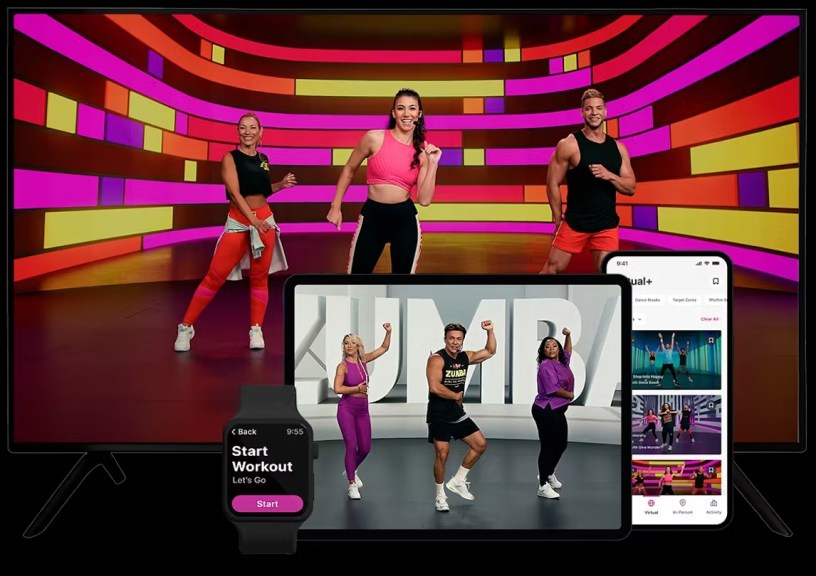
Technology has transformed nearly every aspect of modern life, and fitness is no exception. What used to be limited to gym studios and in-person classes has now evolved into a digital ecosystem that connects people through screens, apps, and wearables. For those looking for zumba classes near me, technology has made it easier than ever to stay active, engaged, and consistent — even from home or while travelling. In Singapore, where digital adoption is high and lifestyles are fast-paced, this blend of fitness and innovation has turned Zumba into a global, tech-driven movement.
Zumba’s transformation from a traditional group dance workout into a tech-enabled experience represents a major shift in how people engage with fitness. From online classes and streaming platforms to performance-tracking devices and virtual communities, technology now amplifies every beat, move, and emotion in a Zumba session.
The Rise of Virtual Zumba Classes
When the pandemic forced gyms to close, virtual Zumba classes emerged as a powerful alternative. What began as a temporary solution quickly became a permanent part of the fitness landscape. Today, thousands of people in Singapore and across the world join live-streamed or pre-recorded sessions led by certified instructors.
Virtual Zumba offers unmatched flexibility. Participants can dance in their living rooms, on balconies, or in hotel rooms while travelling. All that’s needed is an internet connection and a bit of space to move. Many fitness studios now include hybrid models, combining in-person and online sessions to suit everyone’s schedule.
The accessibility of digital classes ensures that no one has to miss a workout, even on busy days. Whether through a laptop, smartphone, or smart TV, the Zumba experience remains as lively and communal as ever.
Fitness Apps and Zumba Integration
The rise of fitness apps has made it possible to monitor performance and progress more accurately. Many popular fitness trackers now include dance workout modes that estimate calorie burn, heart rate, and step count.
For Zumba enthusiasts, these tools provide real-time feedback on effort and endurance. Apps such as Apple Fitness, Fitbit, and Garmin allow users to track metrics and set goals tailored to dance-based workouts. This data-driven approach motivates participants to push harder and celebrate visible progress.
Some Zumba instructors also use custom apps to share playlists, upload class recordings, and track attendance, creating a seamless connection between teachers and students beyond the studio.
Streaming Platforms and Global Access
Zumba’s global reach has expanded dramatically through streaming platforms such as YouTube, Instagram Live, and Zoom. Instructors from different countries now share their expertise with audiences around the world. This digital exchange has enriched the Zumba experience by exposing participants to a wide variety of dance styles and musical influences.
For example, you can join a Latin-inspired class hosted from Colombia in the morning and a K-pop Zumba session from Seoul in the evening — all without leaving your home in Singapore. This accessibility has transformed Zumba into a universal cultural exchange powered by technology.
Streaming also allows instructors to create personalised experiences. Participants can replay sessions, pause for learning, or choose classes based on intensity and mood. Fitness is no longer a one-size-fits-all experience; it’s now customisable, interactive, and on-demand.
The Role of Wearable Technology
Smartwatches and fitness trackers are becoming integral to Zumba workouts. Devices such as the Apple Watch or Fitbit Sense track real-time data like heart rate, calorie burn, and movement rhythm. This information helps participants monitor their intensity levels, ensuring they maximise every session safely.
The combination of movement tracking and motivational reminders creates accountability. Many users find it rewarding to see their progress quantified, from improved endurance to increased daily activity levels.
Wearables also support health monitoring, providing insights into sleep, recovery, and stress management. For Zumba enthusiasts who dance several times a week, this holistic view of fitness encourages smarter training and better results.
Music Apps That Enhance the Zumba Experience
Music is the heartbeat of Zumba, and technology has made it easier than ever to discover and enjoy energising playlists. Streaming services such as Spotify, Apple Music, and Deezer now offer curated Zumba tracks, allowing dancers to create custom playlists that match their mood or routine.
Instructors also use digital tools to synchronise lighting, beats, and choreography for immersive experiences. This integration of technology and artistry turns each class into a mini performance, motivating participants through rhythm and visual engagement.
The Growth of Online Fitness Communities
One of the strongest motivators for Zumba participants is community. Digital platforms have expanded that community beyond physical boundaries. Online fitness groups, social media communities, and live chat sessions during virtual classes create a global support network.
In these communities, members share progress updates, post dance videos, exchange healthy recipes, and celebrate milestones. This social interaction adds a human touch to the digital environment, keeping motivation alive.
In Singapore, many fitness enthusiasts connect through virtual communities to stay consistent despite busy schedules. These networks promote accountability and a sense of belonging that fuels long-term commitment to wellness.
The Benefits of Tech-Enabled Zumba
The integration of technology into Zumba has introduced several key benefits for both beginners and experienced dancers:
-
Convenience: You can attend classes anytime, anywhere.
-
Personalisation: Choose your preferred intensity, duration, and instructor style.
-
Progress tracking: Monitor calories burned, movement accuracy, and stamina improvements.
-
Global connection: Engage with instructors and communities from across the world.
-
Consistency: On-demand access reduces the chances of skipping workouts.
The digital transformation of Zumba has made fitness more inclusive, allowing people of all ages and abilities to participate comfortably.
Challenges of the Digital Transition
While technology enhances the experience, it also presents a few challenges. Not everyone has access to sufficient space or equipment for online workouts. Some participants miss the energy and atmosphere of physical classes. Internet connectivity can also affect the flow of virtual sessions.
To balance this, many fitness studios in Singapore offer hybrid Zumba programmes — live in-person sessions complemented by digital access. This model combines social interaction with flexibility, giving participants the best of both worlds.
The Future of Zumba in the Digital Era
As technology continues to evolve, Zumba will keep adapting. Virtual reality (VR) and augmented reality (AR) are emerging frontiers, offering the possibility of fully immersive dance fitness experiences. Imagine stepping into a virtual studio with participants from five different countries, dancing together in real-time with interactive avatars and synced music.
Artificial intelligence may also play a role in tracking posture, correcting form, and recommending improvements. These innovations will not replace the joy of real-world classes but will enhance accessibility and engagement for a broader audience.
For those who prefer structured, high-quality sessions, fitness centres such as True Fitness Singapore continue to offer both in-person and digitally enhanced classes, ensuring members enjoy professional guidance while benefiting from modern tools.
Technology as a Bridge Between Fitness and Lifestyle
Technology has turned Zumba from a simple workout into an experience that integrates seamlessly into modern life. Whether you are a professional working from home, a parent balancing family responsibilities, or a frequent traveller, digital Zumba keeps you active, connected, and motivated.
This new fitness culture blends entertainment, social connection, and health tracking into one joyful activity. It reminds us that fitness is not about location but about consistency and enthusiasm. With every move, every beat, and every virtual connection, Zumba continues to unite people across borders through rhythm and technology.
FAQs
Q1. Can I join Zumba classes online if I have limited space at home?
Yes. Many instructors design routines suitable for small spaces. As long as you can move your arms and take small steps safely, you can participate effectively.
Q2. Which fitness tracker works best for Zumba?
Devices like Fitbit, Apple Watch, or Garmin are ideal. They measure heart rate, calories, and movement intensity, providing insights into performance and progress.
Q3. Are virtual Zumba classes as effective as in-person ones?
They can be equally effective if you follow proper form and stay consistent. The main difference is the absence of in-person energy, which can be balanced by joining live online sessions with interactive features.
Q4. How can I stay motivated for online workouts?
Join digital Zumba communities, set clear goals, and track your progress through apps. Engaging with others helps sustain motivation over time.
Q5. Will technology replace physical Zumba classes in the future?
Not entirely. Technology enhances accessibility and engagement, but in-person classes offer human interaction and energy that digital platforms cannot fully replicate.
 The Best Health Blog