
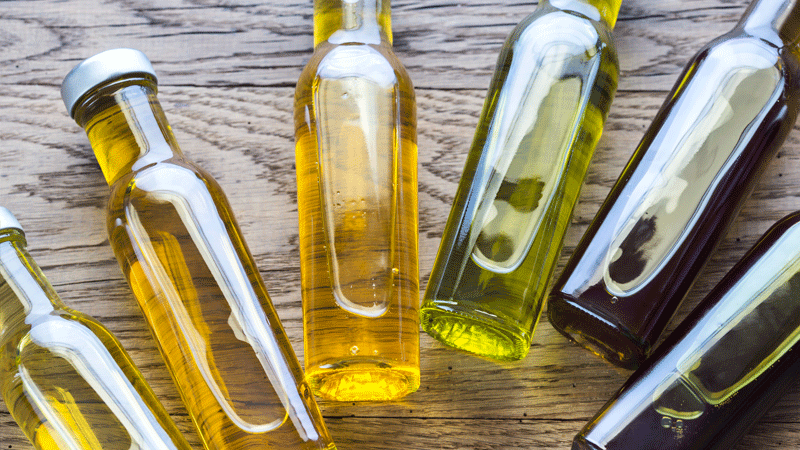
As a parent, you want every meal you prepare to be both delicious and supportive of your family’s long-term health. Cooking oils are a pantry staple, but not all oils are created equal. Some are rich in beneficial fats and antioxidants, while others can do more harm than good, especially when exposed to heat. Here’s a look at six healthy cooking oils to use in your kitchen and three you may want to avoid.
Healthy Oils to Use
1. Mustard Oil
Used for generations in Indian cooking, mustard oil is rich in monounsaturated and polyunsaturated fats (including omega-3s), making it a heart-friendly option. It also contains glucosinolates, which are compounds with natural antimicrobial and anti-inflammatory properties. Mustard oil has a high smoke point, which makes it suitable for frying and sautéing. Just be sure to use food-grade mustard oil (labelled “for culinary use”), as it is regulated differently in certain countries.
2. Olive Oil
Olive oil is rich in heart-healthy monounsaturated fats and antioxidants like polyphenols. It’s well-suited for low to medium-heat cooking, as well as for dressings, sautéing, and frying with extra light olive oil. Studies show it can reduce inflammation and lower the risk of heart disease, making it a good oil for cholesterol.
3. Avocado Oil
Avocado oil has a high smoke point, making it ideal for frying, roasting, and sautéing. It’s packed with monounsaturated fats and vitamin E, which support skin, immune, and heart health. It has a mild flavour, so it won’t overpower your dishes.
4. Coconut Oil
While coconut oil is high in saturated fats, most are medium-chain triglycerides (MCTs), which are metabolised differently than long-chain fats. In moderation, coconut oil can be a good option for baking or occasional high-heat cooking. .
5. Walnut Oil
Walnut oil has a nutty flavour and is rich in omega-3 fatty acids. It’s not suitable for high-heat cooking but is perfect for salad dressings or drizzling over cooked dishes. Omega-3s are essential for brain development, especially for growing kids.
6. Sesame Oil
Popular in Asian cuisine, sesame oil offers a rich, toasty flavour and is full of antioxidants like sesamol. It’s best used for stir-frying, sautéing, or finishing dishes. Opt for toasted sesame oil when you want a bold flavour, or the lighter variety for cooking.
Oils to Avoid
1. Vegetable Oil Blends
These usually contain a mix of cheap oils like soybean, corn, or canola. They are highly processed and often rich in omega-6 fatty acids, which can contribute to inflammation when consumed in excess.
2. Margarine or Shortening
Often made from hydrogenated oils, these products contain trans fats, linked to heart disease and other chronic conditions. Avoid these completely, especially when cooking for kids.
3. Corn Oil
Though inexpensive and widely used, corn oil is high in omega-6 fats and often comes from genetically modified crops. It’s also heavily processed, stripping away most of its natural nutrients.
Final Thoughts
When it comes to healthy cooking oils, quality matters more than quantity. Choose oils that offer nutritional value and suit your cooking style, from quick stir-fries to slow-roasted Sunday dinners. A small shift in the oils you use can make a big difference in your family’s health over time.
 The Best Health Blog