
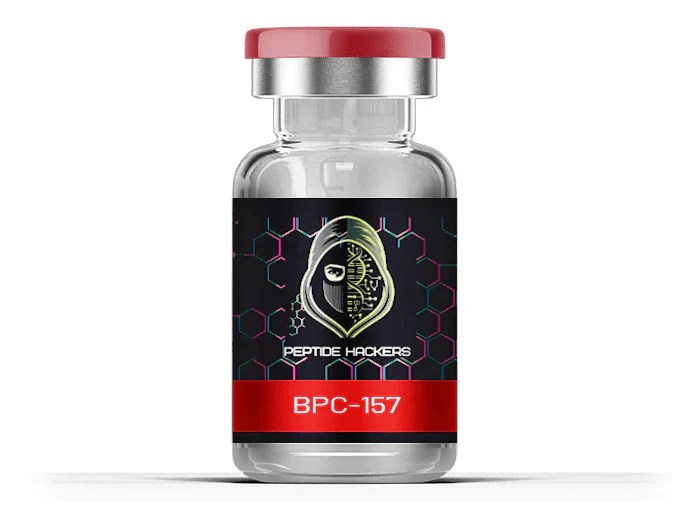
The world of wellness and fitness now includes a variety of peptides – each with its own special benefits, from boosting muscle growth to burning fat to healing injuries. With so many options (BPC-157, TB-500, growth hormone peptides, and more), it can get a bit confusing. In this article, we’ll compare the Wolverine peptide (our star healer, BPC-157) with some other performance-enhancing peptides. We’ll highlight what makes it unique and help you understand who might benefit most from choosing the Wolverine peptide as part of their regimen. No lab coats needed – we’ll keep it simple and clear!
The Wolverine Peptide (BPC-157) Recap
Before we compare, let’s do a quick recap of the Wolverine peptide’s identity and purpose:
- Name: BPC-157, often nicknamed the Wolverine peptide.
- Main Role: Healing and Recovery. It’s all about helping the body repair muscles, tendons, ligaments, and even gut tissue faster and better.
- Key Benefits: Reduced inflammation, accelerated healing of injuries, improved joint health, and potentially better gut health. It doesn’t directly increase muscle size or burn fat, but by healing injuries it indirectly supports your fitness progress (you can train more consistently if you’re not sidelined by injury).
- Usage: Often used daily in small doses, can be taken via injection or orally (one of the few peptides stable enough to survive the stomach if taken as a pill). Commonly stacked with TB-500 for a one-two punch in healing.
Now, let’s stack it up against some other peptides you might have heard about.
Wolverine Peptide vs. TB-500: The Dynamic Duo
TB-500 (also known as Thymosin Beta-4 fragment) is the peptide most often paired with BPC-157, so it’s natural to compare them:
- Role of TB-500: Similar to Wolverine peptide, TB-500 is also geared towards healing and recovery. It’s a fragment of a natural protein present in your body that promotes cell migration and new blood vessel formation.
- How TB-500 Works: Think of TB-500 as a whole-body healing booster. When you take TB-500 (usually via injection), it circulates widely and tells cells, “Go forth to where you’re needed and start the repairs.” It has strong anti-inflammatory effects too, helping reduce swelling and pain in a more general sense.
- Comparison: TB-500 and BPC-157 actually complement each other more than compete. However, if isolated:
- The Wolverine peptide (BPC-157) is often considered more targeted – people sometimes inject it near an injury site to focus its effects on that area, and it has that special gut-healing angle.
- TB-500 is more systemic – it’s going everywhere in the body, which is great for widespread issues or overall recovery after tough training.
- Unique Points: BPC-157 can be taken orally (some folks take capsules for gut or general healing), whereas TB-500 is typically only effective via injection. TB-500 might have some benefits for flexibility and reducing adhesion formation (like preventing scar tissue from binding up tissues, which helps maintain flexibility). BPC-157 is unique in the way it can help the gut and possibly even brain (some early studies suggest nerve healing).
- Stacking Them: Most users find the real magic when used together – hence the “Wolverine stack” term. BPC-157 handles local and specific repairs (and gut health), TB-500 handles systemic repair and inflammation control. Together, it’s like covering all your bases for recovery. If BPC-157 is Wolverine, TB-500 might be akin to another X-Men with complementary powers – together they save the day more effectively than alone.
Wolverine Peptide vs. Growth Hormone Peptides (e.g., CJC-1295/Ipamorelin)
Another class of performance peptides are those that increase growth hormone levels, such as CJC-1295, Ipamorelin, or Sermorelin. These are different from BPC-157 but often discussed in the same communities:
- Role of GH Peptides: Their main purpose is to signal your body to produce more growth hormone, a powerful substance that can aid in muscle gain, fat loss, and anti-aging (better skin, etc.).
- How They Work: Peptides like CJC-1295/Ipamorelin are usually injected and cause your pituitary gland to release a pulse of growth hormone. Over time, this can lead to increased muscle mass, improved recovery, and other benefits of slightly higher growth hormone levels (but within natural ranges).
- Comparison to Wolverine Peptide:
- Healing: Interestingly, growth hormone itself can aid healing to a degree (it’s why kids and teens heal faster – they have more GH). However, BPC-157 is much more direct at healing injuries. If you have a torn muscle or inflamed tendon, BPC-157 goes straight to working on that tissue. GH peptides may help generally by improving protein synthesis, but they are not targeted healers. So, Wolverine peptide wins for direct injury recovery.
- Muscle Building: On the other hand, if your goal is to build muscle or recover from workouts by growing muscles bigger, GH peptides might have an edge. BPC-157 helps recovery, but it won’t increase your gym gains beyond fixing what’s hurt. GH peptides could lead to modest muscle and strength increases by enhancing recovery and encouraging muscle growth.
- Fat Loss and Other Effects: BPC-157 doesn’t burn fat; GH peptides can aid in fat metabolism. GH peptides might also improve sleep quality for some (since GH is largely released during deep sleep). BPC-157’s extra perks are more about internal healing (gut, possibly brain protection).
- Side Effects & Safety: GH peptides can sometimes cause side effects like tingling, water retention, or insulin sensitivity changes, especially if overused. BPC-157 is often praised for its minimal side effect profile. So, for someone wary of messing with hormones, Wolverine peptide feels like a gentler choice.
- Who Should Choose Which: If you’re an athlete with nagging injuries and you just want to feel pain-free and mobile, BPC-157 is your friend. If you’re someone looking to improve body composition (more muscle, less fat) and your recovery is more about muscle fatigue, then a GH-releasing peptide might be considered. Some advanced users actually stack BPC-157 with a GH peptide to get the best of both worlds – healing plus anabolic (muscle-building) support. But that’s a more complex regimen.
Wolverine Peptide vs. Other Niche Peptides (Thymosin Alpha-1, IGF-1, etc.)
There are several other peptides in the wellness sphere, each with unique uses. Let’s briefly place Wolverine peptide among a few:
- Thymosin Alpha-1 (TA-1): This peptide is more about the immune system – helping your body fight infections and modulating immunity. It’s been used for chronic infections or immune deficiencies. Compared to BPC-157, TA-1 isn’t really for muscle or joint healing at all. So if your focus is injury recovery, Wolverine peptide is the go-to, whereas if you wanted to support immune health, TA-1 is an option. Some people who have both injury issues and want an immune boost might use both, but they address different needs.
- IGF-1 LR3: This is a potent peptide directly related to growth factors that build muscle (IGF stands for Insulin-like Growth Factor). It’s often used by bodybuilders to increase muscle size and strength. IGF-1 can also aid recovery in muscles because it’s part of the body’s repair process after workouts. However, IGF-1 comes with more risk of side effects (and even long-term concerns like affecting cell growth too much). BPC-157 is not going to make your biceps bigger if they aren’t injured – it’s not an anabolic like IGF-1 – but it’s much safer for general use. If you had to pick a “heal vs grow” difference: Wolverine peptide heals, IGF-1 grows. For the average wellness consumer, IGF-1 is probably overkill and not necessary, whereas Wolverine peptide is gentler and targeted for recovery.
- AOD-9604: This is a fragment of growth hormone that specifically targets fat burning. It’s a peptide some use for weight loss because it can help reduce body fat when combined with diet and exercise. AOD-9604 has almost the opposite goal of BPC-157 – it’s not for healing, it’s for slimming down. One could use both if they both need to lose fat and heal injuries, but typically if you’re comparing, it’s apples and oranges. Wolverine peptide won’t affect your weight much, and AOD-9604 won’t fix your tendon pain.
- Collagen Peptides (Supplement): Not an injectable peptide, but worth mentioning since many hear “peptide” and think of collagen powder you mix into a smoothie. Collagen peptides are basically broken-down collagen protein, used to support skin, hair, nails, and joint health nutritionally. While collagen supplements provide the building blocks (amino acids) for tissues, BPC-157 provides the signal to use those building blocks to repair. Some people use both together: e.g., taking collagen powder to supply raw material and BPC-157 to stimulate actual repair work. Collagen peptides are very safe and over-the-counter, but their effect is more slow and subtle compared to the targeted boost from the Wolverine peptide.
What Sets Wolverine Peptide Apart
From the comparisons above, you can see the Wolverine peptide, BPC-157, carves out a nice niche for itself: focused, broad-spectrum healing. Here’s a summary of its standout qualities:
- Superhero Healing Focus: BPC-157 doesn’t try to do everything – it zeroes in on repair and recovery. This specialization means if you have anything from a sprained ankle to a sensitive stomach lining, it’s going to concentrate on fixing that. Other peptides might boost hormones or immunity, but Wolverine peptide’s claim to fame is “heal what’s hurt.” That makes it uniquely valuable to anyone who’s been injured or has wear-and-tear issues.
- Minimal Side Effects (High Tolerability): Compared to many performance peptides (and certainly compared to stronger drugs), BPC-157 has a strong safety profile in anecdotal use. People rarely report problems, which sets it apart from something like high-dose IGF-1 or even GH peptides that can cause noticeable side effects. It’s a peptide that a lot of people feel comfortable taking for extended periods if needed, because it works gently with the body’s processes.
- Versatility – From Gut to Tendon: Many peptides have one narrow use. BPC-157 is interesting because it seems to assist multiple types of tissue. It’s not just for muscles, or just for joints, or just for one body part. It helps wherever there is damage. Athletes love it for tendons and muscles; people with IBS or gut issues are curious about it for intestinal healing; some even explore its effects on the brain for concussions or nerve damage (research is very early there, but ongoing). This wide range sets it apart in the peptide world – it’s rare to have something that could help your knee and your stomach at the same time.
- Ease of Use – Oral Option: Most peptides require injections only. BPC-157 stands out because you can take it orally (as a capsule or even squirting the solution into your mouth) and still get benefits, especially for the digestive tract. Not everyone is comfortable with needles, so having an oral peptide that works is a big plus. It’s not to say the oral route is as effective for, say, a torn ligament (injections near the site might work faster), but for general systemic help or gut healing, popping a pill is a nice convenience. This is a unique edge for the Wolverine peptide.
- Stack Synergy: When combined with other substances like TB-500 or even traditional treatments, BPC-157 behaves well. It doesn’t seem to conflict with typical medications or supplements (though one should always check with a doctor). It’s like a team player that boosts the overall effect. Some other peptides can’t be combined easily or safely with certain treatments, but Wolverine peptide is generally stack-friendly, making it a flexible tool in a wellness arsenal.
Who Might Benefit Most from Wolverine Peptide?
Given all these comparisons and unique traits, who is the ideal candidate for using the Wolverine peptide?
- Injury-Prone Athletes and Fitness Enthusiasts: If you’re someone who frequently gets sprains, strains, or tendonitis from sports or working out, BPC-157 could be your best friend. It may help you recover faster and get back into action without lengthy downtime. It’s also useful for high-level athletes who put a lot of stress on their bodies – they often use it proactively to keep their bodies resilient.
- Individuals with Joint Pain or Arthritis: Those dealing with joint issues – whether it’s exercise-induced or age-related wear (early arthritis) – might find relief with the healing and anti-inflammatory properties. It’s not a cure for arthritis, but many report reduced pain and better joint function, which can greatly improve quality of life and ability to stay active.
- Recovery Post-Surgery or Injury: If you have a planned surgery (like an orthopedic surgery) or are recovering from an accident, the Wolverine peptide is commonly used to support and speed up the rehab process. It’s like giving your body extra resources to rebuild. Always coordinate with a doctor in such cases, but this peptide has found a place in many recovery protocols in the health optimization community.
- Gut Health Seekers: On a different note, people with digestive tract troubles – such as ulcers, inflammatory bowel conditions, or leaky gut – may benefit from BPC-157’s gut-healing ability. While this is a bit outside the athletic “performance” label, it’s a performance enhancer in the sense that a healthier gut can improve overall well-being and even nutrient absorption for better energy and results in fitness.
- General Wellness Optimizers: Maybe you’re not an athlete or an injured patient, but someone who wants to age gracefully and keep your body in top shape. Using Wolverine peptide intermittently (not continuously, but in phases when needed) could help address the little wear-and-tear issues before they become big problems. Think of it as maintenance for your body – like how you’d periodically tune-up a car. If you start feeling that nagging elbow or your recovery from workouts is slowing as you get older, a peptide like this might be worth considering to stay on the front foot.
Conversely, who might not need the Wolverine peptide as much? If you’re young, injury-free, and primarily focused on bulking up muscle or shedding fat, you might get more direct benefit from other approaches (like protein supplements or the GH-type peptides, or simply traditional training and nutrition). BPC-157 isn’t a muscle builder or a fat burner by itself – it’s more of a healer and protector. So, match it to your goals.
Conclusion
In the grand landscape of performance-enhancing and wellness peptides, the Wolverine peptide (BPC-157) stands out as the go-to healer and repairman. When we compare it to others:
- It’s more focused on recovery than on muscle gain or fat loss (unlike some peptides which are for those goals).
- It plays very well with others – especially TB-500 – often creating a synergistic effect that many swear by for injury healing.
- It’s uniquely versatile and user-friendly (hello, oral dosing option!) in a field where many tools have narrower uses and require injections.
Ultimately, what sets Wolverine peptide apart is its ability to help you bounce back. Whether you’re trying to get back to the gym sooner, keep your joints pain-free, or just ensure your body’s healing optimally in the background, BPC-157 is like having a little bit of that superhero healing factor on your side.
As always, it’s wise to do your research and possibly consult a knowledgeable healthcare provider when venturing into peptide use. But armed with this comparison, you should have a clearer idea of where the Wolverine peptide shines and how it might fit into your personal wellness journey. Here’s to healing faster and staying stronger – the Wolverine way!
Sources
https://peptidehackers.com/products/tb-500-accelerate-healing-and-enhance-recovery
https://peptidehackers.com/blogs/muscle-growth-recovery/private-bpc-157
https://peptidehackers.com/products/aod9604-fat-burning-peptide
https://peptidehackers.com/products/ipamorelin
 The Best Health Blog