
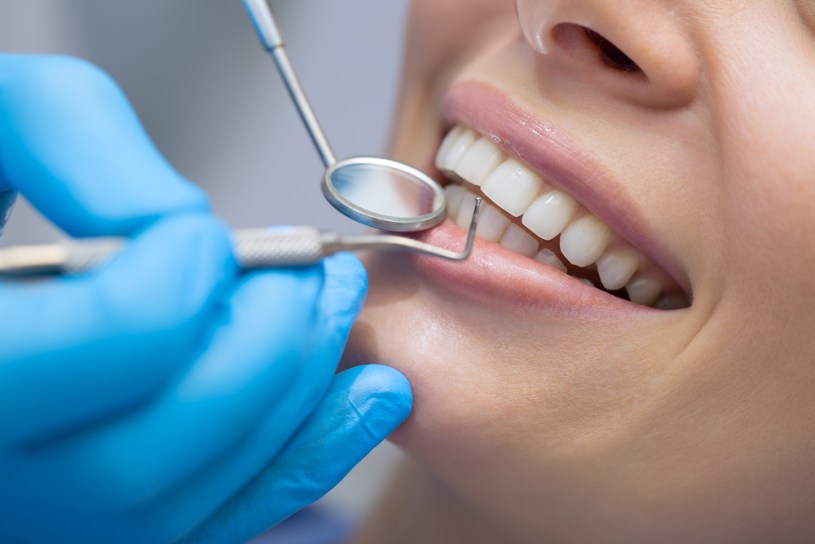
Maintaining good dental health is more than just having a bright smile—it’s a vital part of your overall well-being. Your oral health can impact your body’s health, affect your self-esteem, and even contribute to serious medical conditions if neglected. Here’s a detailed guide to understanding dental health and how you can take steps to ensure your teeth and gums remain healthy throughout your life.
1. Understanding the Importance of Dental Health
Dental health goes beyond clean teeth. It encompasses the well-being of your entire oral cavity, including gums, tongue, and overall mouth health. Oral hygiene plays a crucial role in preventing common dental issues such as cavities, gum disease, and bad breath. Additionally, studies have shown a link between oral health and systemic conditions like heart disease, diabetes, and stroke. Understanding this connection underscores the importance of taking dental care seriously.
2. Daily Oral Hygiene Practices
Effective daily oral hygiene is the foundation of good dental health. Here are the essential steps to include in your daily routine:
- Brushing: Use a soft-bristled toothbrush and fluoride toothpaste to brush your teeth at least twice a day, ideally after meals. The fluoride helps strengthen enamel and fight cavities, while brushing removes food particles and plaque—a sticky film of bacteria that can lead to tooth decay.
- Flossing: Flossing once a day is essential to remove plaque and food particles between teeth and under the gumline, areas where a toothbrush can’t reach. Proper flossing prevents gum disease and cavities between teeth.
- Mouthwash: Rinsing with an antimicrobial mouthwash can help reduce plaque and freshen breath. Look for a mouthwash with fluoride for added protection against tooth decay.
- Tongue Cleaning: The tongue harbors bacteria that can contribute to bad breath and plaque buildup. Use a tongue scraper or the back of your toothbrush to gently clean your tongue daily.
3. Nutrition and Dental Health
Your diet significantly impacts your oral health. Consuming a balanced diet rich in vitamins and minerals supports healthy teeth and gums. Here are some nutritional tips for maintaining dental health:
- Calcium and Vitamin D: Calcium-rich foods like dairy products, leafy greens, and fortified beverages help build strong teeth and bones. Vitamin D enhances calcium absorption, so ensure adequate sun exposure or consider supplements if necessary.
- Limit Sugary Foods and Drinks: Sugar is a leading cause of tooth decay. Bacteria in the mouth feed on sugar, producing acids that erode enamel. Reduce your intake of sugary snacks, soft drinks, and fruit juices, and brush after consuming these items.
- Crunchy Fruits and Vegetables: Foods like apples, carrots, and celery act as natural toothbrushes, stimulating saliva production and reducing plaque buildup.
- Drink Water: Water is not only essential for hydration but also helps wash away food particles and bacteria, keeping your mouth clean between brushing.
4. Regular Dental Check-Ups
Visiting your dentist regularly is vital for maintaining dental health. Dental professionals can detect problems early and provide treatments that are not possible with at-home care alone. Here’s what regular check-ups typically involve:
- Professional Cleaning: Dentists or dental hygienists perform professional cleanings to remove hardened plaque (tartar) that regular brushing can’t eliminate. This prevents gum disease and keeps your teeth looking their best.
- Examinations: During dental visits, your dentist will examine your teeth, gums, and mouth for signs of decay, disease, or other issues. Early detection allows for prompt treatment and prevents complications.
- X-Rays: Dental x-rays can reveal problems not visible during a regular examination, such as impacted teeth, bone loss, or cysts. These images are crucial for comprehensive care.
- Advice and Education: Dentists provide guidance on maintaining oral health, addressing any concerns you may have, and recommending products suited to your needs.
5. The Role of Fluoride in Dental Health
Fluoride is a mineral known for its ability to strengthen teeth and prevent cavities. Many communities add fluoride to their water supply, a practice shown to reduce dental decay significantly. Here’s why fluoride is essential:
- Strengthens Enamel: Fluoride helps rebuild weakened enamel, reversing early signs of tooth decay.
- Remineralization: It promotes the remineralization of tooth surfaces, making them more resistant to acid attacks from bacteria in the mouth.
- Prevention of Tooth Decay: Regular exposure to fluoride, through water, toothpaste, or treatments, helps prevent cavities.
6. Understanding Gum Health
Healthy gums are crucial for supporting teeth and protecting underlying bone structures. Gum disease, or periodontal disease, is a common condition that can lead to tooth loss if untreated. Here’s how to maintain gum health:
- Recognize Signs of Gum Disease: Early signs include red, swollen, or bleeding gums. If you notice these symptoms, seek dental care promptly.
- Maintain Good Oral Hygiene: Regular brushing and flossing help remove plaque that causes gum inflammation.
- Quit Smoking: Smoking is a significant risk factor for gum disease. Quitting improves gum health and overall well-being.
- Professional Cleanings: Regular dental cleanings are essential for removing tartar and maintaining healthy gums.
7. Protecting Teeth with Dental Sealants
Dental sealants are thin, protective coatings applied to the chewing surfaces of back teeth, where decay often starts. They create a barrier against plaque and food, making them particularly beneficial for children. However, adults can also benefit from sealants. Here’s how they work:
- Application Process: The process is quick and painless, involving the cleaning of teeth followed by applying a sealant resin that hardens into a protective shield.
- Effectiveness: Sealants can significantly reduce the risk of cavities in molars, providing long-term protection.
8. The Connection Between Oral Health and General Health
Research has shown that oral health is closely linked to general health. Poor dental hygiene can contribute to several systemic conditions:
- Heart Disease: Inflammation and infections in the mouth may increase the risk of heart disease. Bacteria from gum disease can enter the bloodstream, potentially leading to heart complications.
- Diabetes: Diabetes and gum disease have a bidirectional relationship, where poor oral health can make diabetes harder to control and vice versa.
- Pregnancy Complications: Pregnant women with gum disease may have a higher risk of preterm birth and low birth weight.
9. Special Considerations for Children’s Dental Health
Children’s dental health requires particular attention as habits formed early can last a lifetime. Here’s how to ensure your child’s teeth develop healthily:
- First Dental Visit: Schedule your child’s first dental visit by their first birthday or when their first tooth appears. Early visits help identify potential issues and promote good habits.
- Brushing Habits: Teach children to brush their teeth twice a day with fluoride toothpaste. Supervise brushing until they develop the motor skills to clean thoroughly.
- Healthy Snacking: Encourage healthy snacks like fruits, vegetables, and dairy instead of sugary treats.
- Preventing Bottle Tooth Decay: Avoid putting a child to bed with a bottle of milk or juice, as prolonged exposure to sugars can cause decay.
10. The Psychological Impact of a Healthy Smile
A healthy smile does more than protect your physical health—it boosts your confidence and social interactions. Here’s how dental health influences psychological well-being:
- Self-Esteem: A bright, healthy smile enhances self-esteem and confidence, making you more willing to engage in social situations.
- Mental Health: Addressing dental issues can relieve anxiety and stress related to appearance and oral discomfort.
- Professional Success: A confident smile can impact professional opportunities, influencing perceptions and interactions in the workplace.
By incorporating these comprehensive dental health tips into your routine, you can enjoy a lifetime of healthy smiles. Each step is an investment in your overall well-being, reflecting the care and attention you give to maintaining your health. A beautiful smile is a testament to your commitment to yourself, radiating positivity and well-being to the world around you.
 The Best Health Blog