
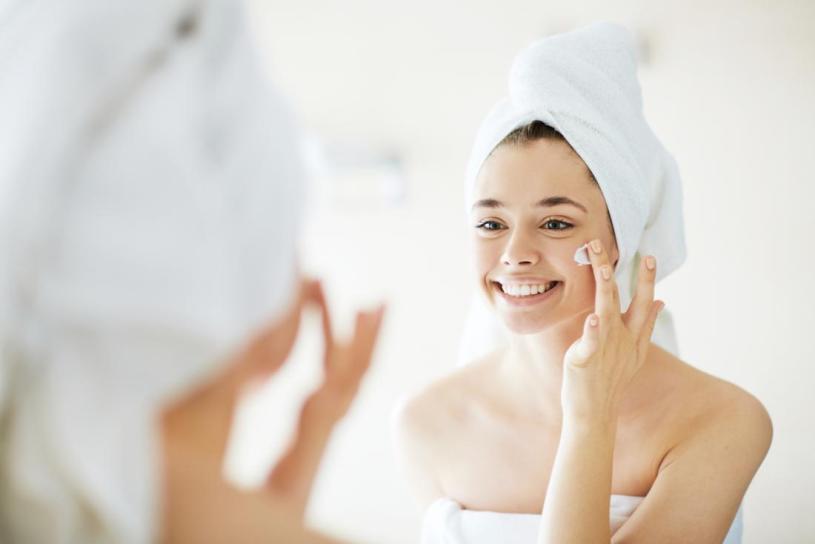
Your skin is your body’s largest organ and serves as a vital barrier protecting you from the outside world. It’s not just about looking good; healthy skin is essential for overall well-being. A radiant complexion reflects not only good health but also a balanced lifestyle. Here’s an in-depth look at how you can achieve and maintain healthy skin by focusing on nutrition, skincare, lifestyle choices, and understanding the unique needs of your skin type.
Understanding Your Skin Type
Before diving into skincare routines, it’s essential to understand your skin type. This knowledge helps tailor a regimen that caters specifically to your skin’s needs.
- Normal Skin: Balanced skin that is neither too oily nor too dry, with a soft texture and no severe sensitivity.
- Oily Skin: Characterized by enlarged pores and a shiny appearance, oily skin is prone to acne and blackheads due to excess sebum production.
- Dry Skin: Often feels tight and can be flaky or rough. It may be prone to wrinkles and fine lines due to a lack of moisture.
- Combination Skin: Exhibits both oily and dry areas, with an oily T-zone (forehead, nose, and chin) and dry cheeks.
- Sensitive Skin: Reacts easily to products and environmental changes, often resulting in redness and irritation.
Identifying your skin type is the first step in choosing the right products and routines for effective skincare.
Nutrition: Feeding Your Skin from Within
Your diet plays a crucial role in skin health. What you consume can affect your skin’s texture, appearance, and resilience.
- Hydration: Staying hydrated is key to maintaining skin elasticity and suppleness. Water helps flush out toxins and keeps skin looking fresh. Aim for at least 8 glasses of water a day, and incorporate water-rich foods like cucumbers, watermelon, and oranges.
- Vitamins and Minerals:
- Vitamin C is essential for collagen production, which keeps your skin firm and youthful. Include citrus fruits, strawberries, and bell peppers in your diet.
- Vitamin E acts as an antioxidant, protecting skin cells from damage. Nuts, seeds, and leafy greens are excellent sources.
- Zinc aids in repairing damaged skin and maintaining a clear complexion. Incorporate seafood, legumes, and nuts for an adequate intake.
- Omega-3 Fatty Acids found in fish like salmon and mackerel, as well as flaxseeds and walnuts, help maintain the skin’s lipid barrier, preventing dryness and inflammation.
- Antioxidant-Rich Foods: These help fight free radicals that cause aging and skin damage. Incorporate berries, green tea, and dark chocolate to keep your skin glowing.
Essential Skincare Routine
A consistent skincare routine tailored to your skin type is essential for maintaining healthy skin.
- Cleansing: Remove dirt, makeup, and impurities with a gentle cleanser suitable for your skin type. Cleansing twice a day prevents clogged pores and dullness.
- Exfoliation: Exfoliating removes dead skin cells, promoting cell turnover for a brighter complexion. Use a gentle exfoliant 1-2 times a week, depending on your skin’s sensitivity.
- Toning: Toners help balance the skin’s pH and prepare it for moisturization. Choose an alcohol-free toner with soothing ingredients like rose water or chamomile.
- Moisturizing: Hydration is vital, even for oily skin. Use a lightweight, non-comedogenic moisturizer for oily skin, and opt for richer creams if your skin is dry.
- Sun Protection: Sunscreen is a non-negotiable step in any skincare routine. UV rays can cause premature aging and increase the risk of skin cancer. Use a broad-spectrum SPF 30 or higher daily, even on cloudy days.
Lifestyle Choices for Radiant Skin
Beyond diet and skincare, your lifestyle choices significantly impact your skin’s health.
- Adequate Sleep: During sleep, your body repairs and regenerates skin cells. Aim for 7-9 hours of quality sleep per night to avoid dark circles, dullness, and other signs of fatigue.
- Stress Management: Chronic stress triggers cortisol production, leading to inflammation and breakouts. Practice relaxation techniques like yoga, meditation, or deep breathing to maintain a calm mind and clear skin.
- Regular Exercise: Exercise boosts circulation, delivering oxygen and nutrients to the skin. It also helps reduce stress and improve overall health. Aim for at least 30 minutes of moderate exercise most days of the week.
- Avoid Smoking and Excessive Alcohol Consumption: Smoking depletes oxygen and nutrients, accelerating aging and leading to wrinkles. Excessive alcohol dries out the skin and can exacerbate conditions like rosacea.
Understanding Environmental Factors
The environment can have a significant impact on your skin, necessitating specific care to counteract harmful effects.
- Pollution: Air pollution contributes to oxidative stress, causing premature aging. Protect your skin with antioxidant-rich products and cleanse thoroughly after exposure to pollutants.
- Humidity Levels: High humidity can make oily skin worse, while low humidity can dry out skin. Use a humidifier in dry environments and adjust your skincare routine to account for weather changes.
- Seasonal Changes: Your skin’s needs change with the seasons. In winter, focus on heavier moisturizers to combat dryness, and in summer, prioritize lightweight, oil-free products to manage excess oil.
Tailoring Skincare for Different Ages
Your skin’s needs evolve with age, requiring adjustments in your skincare regimen to maintain its health and vitality.
- Teenage Skin: Focus on gentle cleansing and protection from acne without over-drying the skin. Incorporate products with salicylic acid or benzoyl peroxide for acne-prone areas.
- 20s and 30s: Prevention is key. Use antioxidant serums and incorporate eye cream to prevent early signs of aging. Maintain a consistent cleansing and moisturizing routine.
- 40s and Beyond: Focus on hydration and repair. Incorporate retinoids to boost collagen production and reduce wrinkles, and consider richer, more nourishing creams to combat dryness.
Natural Remedies for Healthy Skin
Natural remedies can be an excellent addition to your skincare routine, offering gentle yet effective ways to enhance skin health.
- Aloe Vera: Known for its soothing properties, aloe vera can help calm irritated skin and provide hydration. Apply fresh aloe gel directly to the skin as a natural moisturizer.
- Honey: With antibacterial and humectant properties, honey can help with acne and retain moisture. Use raw honey as a face mask for a glowing complexion.
- Coconut Oil: This versatile oil is excellent for dry skin, providing deep moisture. Use it sparingly to avoid clogged pores, especially if your skin is oily.
- Green Tea: Rich in antioxidants, green tea can reduce inflammation and protect against damage. Use cooled green tea bags as a soothing compress for tired eyes.
Professional Skincare Treatments
For those looking to enhance their skincare routine, professional treatments offer targeted solutions to specific skin concerns.
- Facials: Regular facials can cleanse, exfoliate, and nourish your skin, providing a refreshed look. Opt for facials that suit your skin type and concerns, such as hydrating or anti-aging treatments.
- Chemical Peels: These treatments remove dead skin cells and promote new growth, improving texture and tone. Consult with a dermatologist to find the right peel for your skin type.
- Microdermabrasion: This non-invasive treatment exfoliates the outer layer of skin, reducing the appearance of fine lines and blemishes. It’s a great option for those seeking smoother skin.
- Laser Therapy: Laser treatments target various skin concerns, including pigmentation, acne scars, and wrinkles. Consult a dermatologist to determine the best laser option for your needs.
Conclusion
Achieving and maintaining healthy skin is a multifaceted endeavor that requires attention to diet, skincare, lifestyle, and environmental factors. By understanding your skin’s unique needs and making informed choices, you can enjoy a radiant complexion that reflects your inner health. A commitment to nurturing your skin is a lifelong gift, offering benefits that go far beyond aesthetics. Embrace the journey to vibrant skin with the knowledge and tools to support your skin’s health every step of the way.
 The Best Health Blog