
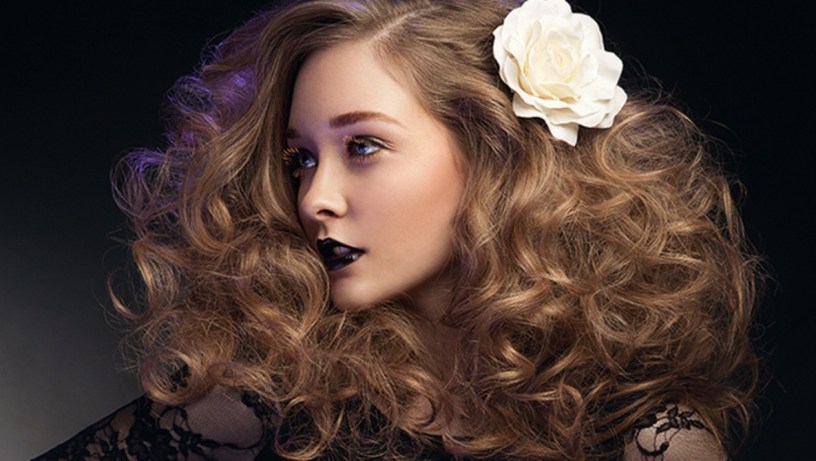
Beauty, an intricate and often elusive quality, has been a focal point of human interest for centuries. This concept extends far beyond mere aesthetics, touching on psychological, cultural, philosophical, and artistic dimensions. To fully appreciate the essence of beauty, it is essential to explore its various facets and understand how they interrelate to shape our perceptions and experiences.
The Psychological Dimensions of Beauty
Beauty’s impact on the human psyche is profound. Psychologically, beauty often triggers a pleasurable emotional response. The brain’s reaction to beauty involves the release of neurotransmitters like dopamine, which are associated with pleasure and satisfaction. This biological response explains why beautiful things—whether a captivating artwork or a striking landscape—can significantly boost our mood and create a sense of joy.
Moreover, studies indicate that humans are naturally inclined to find symmetry and proportion appealing. This preference for symmetry is thought to be rooted in evolutionary biology, where symmetrical features are often associated with health and genetic fitness. Therefore, our appreciation for beauty can be seen as part of an ingrained psychological mechanism designed to recognize and value certain attributes.
Cultural Perspectives on Beauty
Cultural norms and values heavily influence what is considered beautiful. Different societies have their unique standards and ideals, which can vary widely across time and geography. For example, in many Western cultures, attributes such as slender bodies and clear skin have historically been prized. Conversely, in other parts of the world, such as certain African cultures, a fuller figure may be celebrated as a symbol of wealth and prosperity.
These cultural variations highlight that beauty is not a universal constant but is shaped by historical and social contexts. As cultures interact and evolve, beauty standards also shift, reflecting changing values and social dynamics. This cultural relativity underscores the diversity of beauty ideals and the ways in which they are molded by societal influences.
Media’s Influence on Beauty Standards
The role of media in shaping beauty standards is significant and multifaceted. With the rise of print media, film, and now digital platforms, media has a powerful effect on how beauty is defined and perceived. Advertising and entertainment industries often promote specific beauty ideals, which can set standards that many aspire to or feel pressured to conform to.
However, media also plays a dual role. While it can perpetuate narrow beauty standards, it also provides a platform for diverse representations. Social media, in particular, has democratized beauty by allowing individuals to showcase a broader range of looks and body types. This shift has led to a more inclusive approach to beauty, challenging traditional norms and celebrating a wider spectrum of beauty.
Philosophical Reflections on Beauty
The philosophical exploration of beauty delves into its essence and significance. Ancient Greek philosophers, such as Plato and Aristotle, considered beauty to be a reflection of higher truths and universal principles. Plato saw beauty as an ideal that transcends physical form, while Aristotle emphasized harmony and proportion as key elements of beauty.
In modern philosophical discourse, beauty is often viewed as subjective and variable. The idea that beauty is in the eye of the beholder suggests that beauty is a personal experience influenced by individual preferences and cultural contexts. This perspective acknowledges that beauty can be both a deeply personal and culturally contingent phenomenon.
The Role of Beauty in Art and Culture
Art has long been a medium through which beauty is expressed and explored. From classical sculptures and Renaissance paintings to contemporary installations and digital art, artists have sought to capture and convey their interpretations of beauty. Art not only reflects the aesthetics of its time but also provides insight into the artist’s vision and emotional state.
Cultural artifacts, such as historical monuments, fashion, and design, also offer valuable perspectives on beauty. These artifacts reveal how beauty has been understood and valued in different eras and societies. By examining these works, we gain a deeper appreciation for the diverse ways in which beauty has been conceptualized and celebrated throughout history.
Personal Perceptions of Beauty
Ultimately, beauty is a deeply personal experience. Individual tastes and preferences play a crucial role in how one perceives beauty. Factors such as personal experiences, emotions, and cultural background all contribute to one’s unique understanding of beauty. This personal dimension allows for a rich diversity of expressions and interpretations, making beauty a multifaceted and deeply individual experience.
By examining beauty through psychological, cultural, media, philosophical, and artistic lenses, we gain a comprehensive understanding of this complex concept. Beauty encompasses more than surface-level appearances; it is a profound and multifaceted experience that reflects the richness of human perception and creativity.
 The Best Health Blog